Kind to your pets.
Kind to every animal.
Vegan isn't a trend or a label we add at the end. It's the principle we want to begin with: no animal-derived materials, no deliberate animal testing, and no product that asks us to ignore one animal while caring for another.
A standard, not just a category.
If we can't understand what a product is made from or how it aligns with our values, it shouldn't quietly pass as “vegan.”
Our goal is straightforward: products in The Vegan Pet Store should be suitable for people who want their purchases to avoid animal-derived materials and unnecessary harm to animals.
We treat vegan claims as something that should be checked, not merely repeated. Product descriptions, materials, supplier information and available certifications all matter.
When information is incomplete, contradictory or too vague to support a confident claim, our preference is to investigate further rather than pretend certainty.
What every product should live up to.
These are the standards we want to apply across the catalogue as it grows.
No animal-derived materials
We aim to exclude materials and ingredients derived from animals. That includes obvious ones such as leather, wool, silk, fur and feathers, as well as less obvious animal-derived components when they are relevant to the product.
Cruelty-free matters
We do not want products whose development depends on deliberate animal testing where avoidable. When a supplier makes a cruelty-free claim, we want enough information to understand what that claim actually covers.
Clarity over greenwashing
Words such as “natural,” “eco,” “plant-based” or “ethical” are not substitutes for vegan. We want listings to explain the relevant facts clearly instead of relying on feel-good language alone.
If an animal had to become a material, it doesn't belong here.
Our assortment is meant to offer alternatives to familiar animal-derived materials without asking shoppers to compromise on usefulness, comfort or design.
- Vegan alternatives to leather and suede
- No wool, fur, silk or feathers used as product materials
- Plant-based, synthetic or mineral alternatives where appropriate
- Clear material information whenever it can affect a vegan buying decision
What we won't quietly call vegan.
A meaningful promise needs lines we are willing to draw.
Not good enough
We don't want to treat vague language as proof. These kinds of claims deserve a closer look before a product is presented as vegan.
- “Leather-like” without material details
- “Natural fibers” without identifying the fibers
- “Cruelty-free” with no useful explanation of what the claim means
- “Plant-based” when other animal-derived components may still be present
What we look for instead
We prefer specific, verifiable information that helps us and our customers understand what they are actually buying.
- Named materials and components
- Supplier declarations when relevant
- Recognized third-party certification when available
- Enough detail to investigate questions rather than guess
Check first. Claim second.
As the catalogue grows, this is the review mindset we want behind the products you see.
Read the materials
Start with the product specifications, construction, ingredients or materials that could affect whether the product is vegan.
Question vague claims
If the description is unclear, we want to identify the gap instead of turning uncertainty into a marketing statement.
Look for evidence
Supplier declarations, specifications and certifications can all help support a claim when they are relevant and available.
Keep reviewing
Products and supplier information can change. Our standards should be something we continue to apply, not a one-time checkbox.
We'd rather tell you what we know — and what we don't.
Not every product will come with the same level of documentation. Some may have recognized certification; others may rely on detailed supplier specifications or declarations.
When that distinction matters, we want to communicate it clearly. A certification badge should mean certification exists. A supplier claim should be presented as a supplier claim. And if information is still being checked, uncertainty should not be disguised as certainty.
This is especially important in a marketplace where words such as vegan, cruelty-free and sustainable can otherwise become little more than decoration.
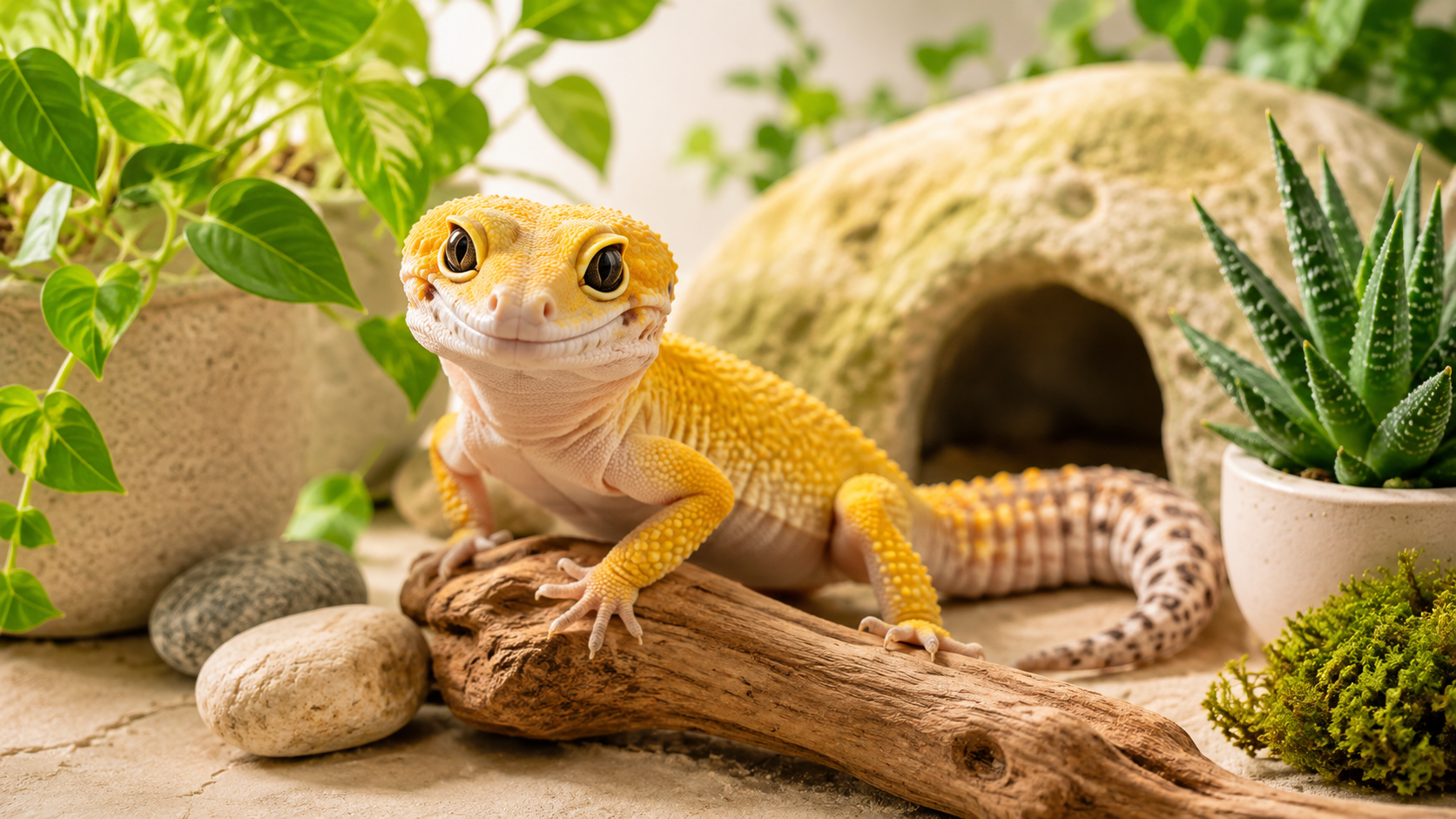
Our promise is a standard we intend to keep improving.
We are building the catalogue and the review process together. If we discover that a listed product no longer meets our standard, or that information previously supplied to us was inaccurate, the right response is to investigate, correct the listing, and remove the product when necessary. Trust is more important than defending a mistake.
Care for one animal
shouldn't require harming another.
That idea is the reason this store exists, and it is the standard we want every product choice to move toward.
Explore the Vegan Shop